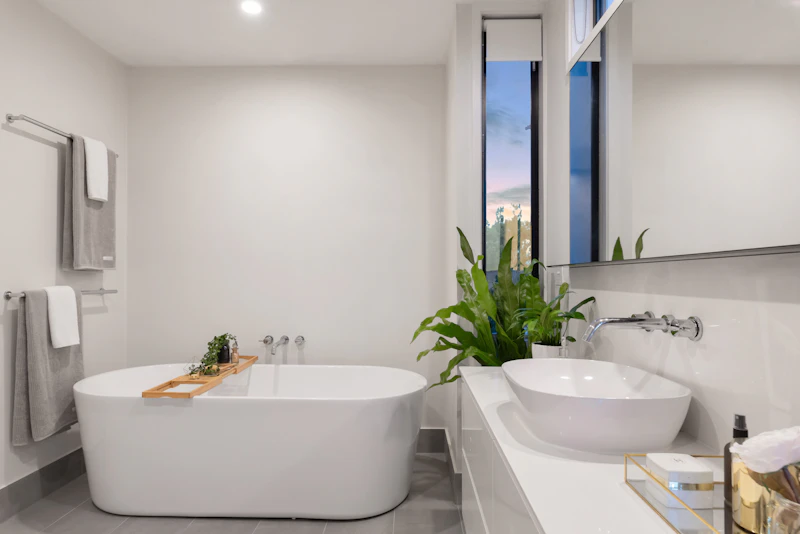
When Indianapolis homeowners plan a bathroom remodel, one of the most important decisions is choosing the right tile. Tile covers more surface area than almost any other material in a bathroom, directly affecting how the space looks, feels, and holds up over years of daily use. At Performance Kitchen & Bath, we help homeowners across Indianapolis navigate tile selection every day. Here is what you need to know.
Why Tile Matters: Durability, Protection, and Design
Tile is not just decorative. It serves as your bathroom's primary barrier against water damage, protecting walls, subfloor, and framing from moisture intrusion. A well-tiled bathroom can last twenty to thirty years, making it one of the best returns on investment in any remodel. From a design standpoint, tile is where you define the personality of the room.
The tile you choose sets the tone for the entire bathroom. It is the single decision that most influences whether a space feels modern or traditional, bold or serene, compact or expansive.
Porcelain Tile: The All-Around Performer
Porcelain is the most popular choice for Indianapolis bathroom remodels. Fired at extremely high temperatures, it is denser and less porous than ceramic, making it virtually impervious to water. It comes in a wide range of finishes, including marble-look and wood-look options.
Pros: Extremely durable, nearly waterproof, huge variety of styles. Cons: Can feel cold underfoot, harder to cut. Price: $3 to $15 per square foot.
Ceramic Tile: Affordable and Versatile
Ceramic tile is fired at lower temperatures than porcelain, making it easier to cut and install. For walls, backsplashes, and low-traffic floors, ceramic performs beautifully at a lower price point.
Pros: Most affordable option, easy to install, versatile colors and patterns. Cons: Less dense than porcelain, slightly more porous. Price: $1 to $10 per square foot.
Natural Stone Tile: Timeless Luxury
Marble, travertine, and slate deliver unmatched character with natural veining that manufactured tile cannot replicate. Marble has become a hallmark of high-end Indianapolis bathroom design.
Pros: Luxurious one-of-a-kind appearance, increases home value. Cons: Porous, requires regular sealing, can stain, expensive. Price: $7 to $30 per square foot.
Glass Tile: Modern and Reflective
Glass tile catches and reflects light, making smaller bathrooms feel brighter. It works best as an accent in shower niches, vanity backsplashes, or decorative bands. Non-porous and easy to clean.
Pros: Brightens the space, impervious to water, easy to clean. Cons: Slippery on floors, can chip, higher cost. Price: $7 to $25 per square foot.
Floor Tile vs. Wall Tile vs. Shower Tile
Not all tile is interchangeable. Each area of the bathroom has different requirements.
- Floor tile must have a textured or matte finish to prevent slipping. Look for a coefficient of friction rating of 0.42 or higher.
- Wall tile can be glossy or smooth since slip resistance is not a concern. This is where ceramic, glass, or polished stone shine.
- Shower tile needs to be waterproof and installed with proper membrane behind it. Porcelain is the gold standard, often paired with mosaic tiles on the shower floor for grip.
Large-Format Tiles and Heated Floors
Large-format tile, typically 12x24 inches or larger, is one of the biggest trends in Indianapolis right now. Fewer grout lines create a cleaner, spa-like appearance that makes rooms feel larger. These work especially well on shower walls and bathroom floors.
Another popular upgrade for Indianapolis winters is electric radiant floor heating installed beneath tile. The systems cost just pennies per day to run and eliminate the shock of cold tile on winter mornings. Adding radiant heat during installation is far more affordable than retrofitting later.
Grout Color and Spacing Considerations
Grout has a surprising impact on the final look. White grout with white tile creates a seamless feel, while contrasting dark grout emphasizes tile geometry. Epoxy grout is stain-resistant and waterproof, making it ideal for showers. Narrower grout lines (1/16 to 1/8 inch) give a modern appearance, while wider lines suit traditional styles.
Indianapolis Bathroom Tile Trends for 2026
Across the projects we complete at Performance Kitchen & Bath, several trends are emerging this year:
- Large-format neutrals: Oversized porcelain in warm grays, soft whites, and greige tones for a calm, spa-like atmosphere.
- Patterned floor tiles: Geometric and encaustic-look tiles that add personality without overwhelming the space.
- Marble-look porcelain: The luxurious veining of Calacatta or Carrara marble achieved through porcelain, without the maintenance.
- Vertical stack bond: Subway tiles installed vertically rather than in traditional brick pattern for a fresh, modern look.
Professional Installation vs. DIY
While simple ceramic wall tile can be a manageable DIY project, bathroom tile installation often involves waterproofing, precise cuts around plumbing, and level-critical floor work that requires professional expertise. Improper installation can lead to water intrusion, cracked tiles, or grout failure. For shower enclosures and floor-to-ceiling work, the cost difference between DIY and professional installation is minimal compared to repairing water damage from a failed job.
The right tile transforms your bathroom from ordinary to extraordinary. Match the material to each surface, choose a style that reflects your taste, and trust the installation to a team that gets it right the first time.